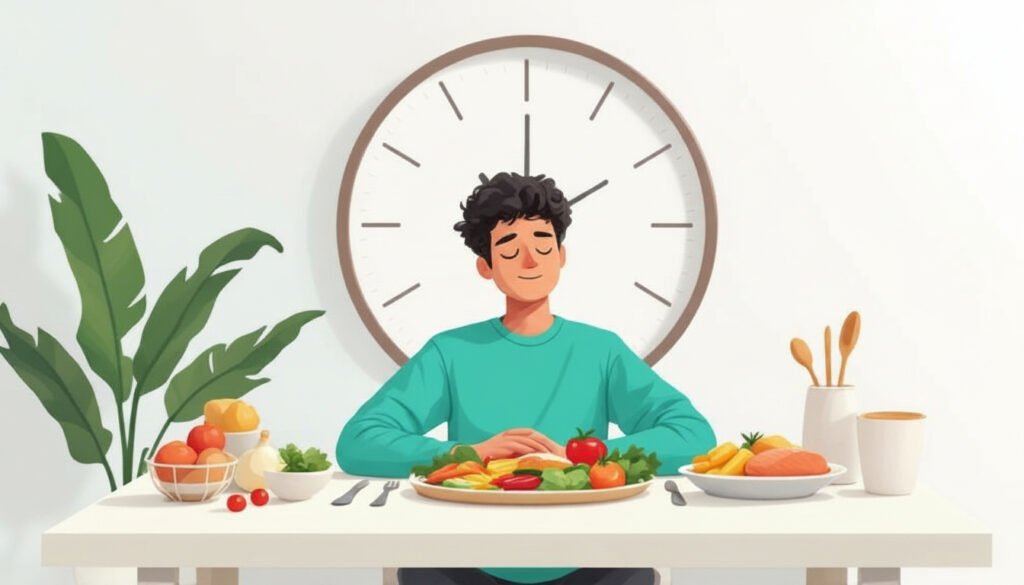
Intermittent fasting shows up everywhere—from podcasts and social media to wellness blogs and casual conversations. Some people swear it changed their energy and focus. Others try it once and feel dizzy, irritable, or completely miserable. If you’re wondering whether intermittent fasting is actually good for you, you’re asking the right question. In this article, we’ll explore intermittent fasting benefits realistically—what they are, who they help, and when they may not be worth the effort.
Health trends rarely work the same way for everyone. While intermittent fasting can offer benefits for some people, it isn’t a magic solution—and it isn’t required for good health. Let’s look at what it really is, what science suggests, and how to decide if it fits your life.
1. What Intermittent Fasting Actually Means
Intermittent fasting isn’t about what foods you eat. Instead, it focuses on when you eat.
Common approaches include:
- 16:8 method: Eat within an 8-hour window, fast for 16 hours
- 14:10 method: A gentler option with a 10-hour eating window
- 5:2 approach: Eat normally five days a week, lighter intake on two days
Despite the hype, intermittent fasting doesn’t require skipping meals forever or feeling hungry all day. In fact, many people already fast overnight without realizing it.
Real-life example:
Someone who finishes dinner at 7 p.m. and eats breakfast at 9 a.m. is already doing a 14-hour fast.
2. The Potential Benefits of Intermittent Fasting
So, what does research suggest about intermittent fasting benefits? While results vary, studies show a few consistent patterns.
May support metabolic health
Fasting periods can improve insulin sensitivity in some people. As a result, the body may manage blood sugar more efficiently.
May help with weight management
Intermittent fasting can reduce overall calorie intake without strict tracking. For some people, this makes eating feel simpler.
May support cellular repair
During fasting periods, the body shifts into repair mode. This process, called autophagy, helps recycle damaged cells.
May improve mental clarity
Many people report better focus during fasting windows, especially once their bodies adjust.
However, benefits often depend on consistency, food quality, and lifestyle habits—not fasting alone.
3. Why Intermittent Fasting Doesn’t Work for Everyone
Although intermittent fasting benefits sound appealing, it’s not ideal for every body or lifestyle.
You may struggle with fasting if you:
- Feel dizzy or weak when skipping meals
- Have a history of disordered eating
- Need regular meals for energy or focus
- Experience increased anxiety around food
Additionally, fasting can increase stress hormones for some people. If stress levels rise, benefits may disappear.
Important reminder:
Feeling “disciplined” doesn’t mean your body is thriving.
4. The Role of Food Quality During Eating Windows
Intermittent fasting only works well when meals are nourishing. Skipping breakfast and then eating processed foods later won’t support health.
Balanced meals should include:
- Protein for muscle and satiety
- Fiber-rich vegetables and fruits
- Healthy fats for energy
- Whole carbohydrates for stability
Real-life example:
Someone who breaks a fast with eggs, vegetables, and whole grains often feels more energized than someone who reaches for pastries or sugary drinks.
5. How Intermittent Fasting Affects Energy and Mood
Energy responses vary widely. Some people feel lighter and more focused. Others feel tired and irritable.
Common adjustment symptoms include:
- Hunger during the first week
- Headaches
- Mood changes
These usually improve with hydration, balanced meals, and gradual transitions.
However, if fatigue or irritability continues beyond two weeks, fasting may not suit you right now.
6. Who May Benefit Most From Intermittent Fasting
Intermittent fasting benefits tend to appear more often in people who:
- Prefer fewer meals
- Enjoy routine and structure
- Have stable sleep schedules
- Don’t feel stressed by delayed eating
It may also feel helpful for those seeking simplicity rather than strict meal plans.
That said, benefit does not equal necessity. You can be perfectly healthy without fasting. These intermittent fasting benefits often come from lifestyle alignment rather than the fasting schedule alone.
7. Who Should Be Cautious or Avoid It
Some people should approach fasting carefully or skip it altogether.
Be cautious if you:
- Are pregnant or breastfeeding
- Have blood sugar regulation issues
- Take medications requiring food
- Experience frequent dizziness
Listening to your body matters more than following trends.
8. A Gentler Way to Try Intermittent Fasting
If you’re curious but cautious, start gently. You don’t need extreme fasting windows to explore benefits.
Try this supportive approach:
- Begin with 12:12 (12 hours fasting, 12 eating)
- Slowly extend to 14:10 if comfortable
- Focus on hydration during fasting hours
- Eat balanced meals during eating windows
This method allows your body to adjust without shock.
9. Intermittent Fasting vs. Regular Balanced Eating
Here’s the honest truth: both approaches can support health.
Regular balanced eating works well if you:
- Need steady energy
- Feel better with frequent meals
- Enjoy structure around food timing
Intermittent fasting works well if you:
- Prefer fewer meals
- Feel energized while fasting
- Like simplicity
Neither approach is superior. The best choice is the one you can sustain calmly.
10. Signs Intermittent Fasting Is Working for You
Instead of focusing on rules, watch how your body responds.
Positive signs include:
- Stable energy
- Improved focus
- Comfortable hunger cues
- Better digestion
If stress, fatigue, or obsession increases, it’s okay to stop or adjust.
A Sample Gentle Fasting Day
Here’s what a realistic day might look like:
- Morning: Water, herbal tea, light movement
- Midday: Balanced first meal with protein and fiber
- Afternoon: Nourishing snack if needed
- Evening: Simple dinner, stop eating comfortably
This structure supports flexibility rather than restriction.
Final Thoughts : Is Intermittent Fasting Actually Good for You?
Intermittent fasting can offer benefits for some people, especially when done gently and paired with nourishing meals. However, it’s not required for good health, and it’s not a shortcut to wellness.
The most important factor isn’t when you eat—it’s how your body feels over time. Sustainable health comes from habits that support your energy, mental well-being, and daily life.
If intermittent fasting feels supportive, it may be worth exploring. If it feels stressful or exhausting, you’re not doing anything wrong by choosing a different path. Your body’s signals always matter more than trends.
🌼 Grow Beyond Health
A healthy body supports a healthy mind — and a mindful life leads to growth in every area.
Explore more from KnowlyDaily :
- Self-Growth & Mindset – Build inner calm and emotional clarity.
- Productivity – Learn to work smarter, not harder.
- Smart Money – Spend wisely and live stress-free.
- Learning & Skills – Learn new things with structure and flow.
- Travel & Global Life – Discover how the world teaches balance.
Our Partners
Sometimes, the best reminder to stay calm and confident is something you wear every day.
💡 Explore EveryMoodTee — minimalist T-shirts that speak your mood before you say a word.