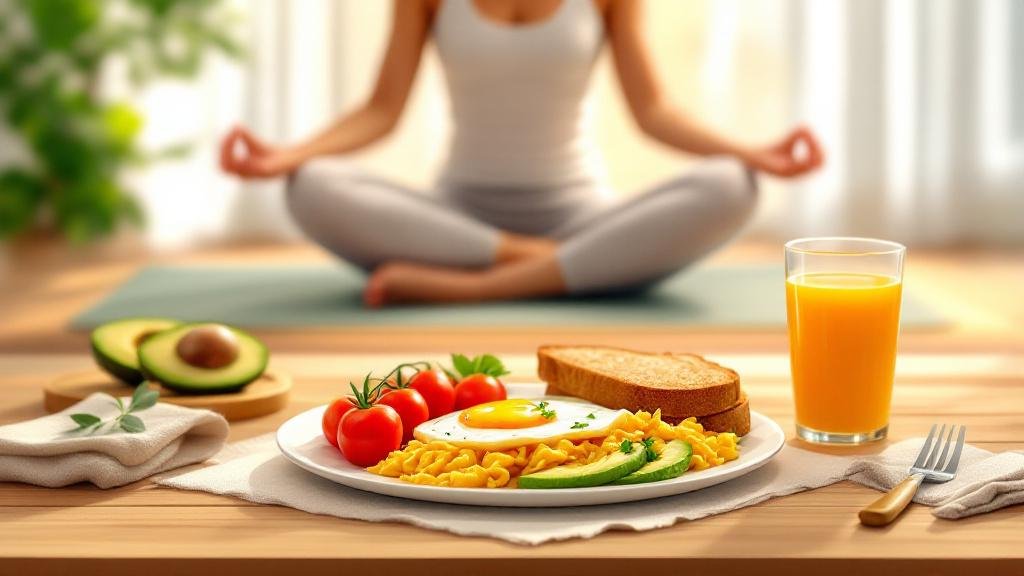
Most people know vegetables are good for them. Yet when life gets busy, veggies often become an afterthought. You plan to eat more vegetables daily, but somehow meals end up revolving around convenience, comfort, and whatever feels quickest. If this sounds familiar, you’re not doing anything wrong. You’re simply human.
The good news is that eating more vegetables doesn’t require drastic diet changes or complicated recipes. Instead, small, practical adjustments can help vegetables fit naturally into your day. Let’s explore eight easy ways to eat more vegetables daily—without stress or pressure.
1. Add Vegetables to Meals You Already Eat
One of the simplest ways to eat more vegetables daily is to stop thinking of them as “extra.” Instead, add them to foods you already enjoy.
Easy examples include:
- Spinach or mushrooms in scrambled eggs
- Extra vegetables in pasta or rice dishes
- Tomatoes or cucumbers in sandwiches
Because the meal stays familiar, this approach feels effortless.
Real-life example:
Adding a handful of spinach to eggs takes less than a minute, yet it instantly boosts nutrition.
2. Start With Vegetables at One Meal a Day
Trying to overhaul every meal can feel overwhelming. Instead, focus on one meal where vegetables come first.
You might:
- Add vegetables to breakfast
- Build lunch around a salad or veggie bowl
- Make dinner half vegetables
Once one meal feels easy, adding vegetables to others becomes more natural.
3. Keep Washed and Ready-to-Eat Vegetables Visible
Preparation often becomes the biggest barrier. If vegetables need washing, cutting, or peeling, they’re easier to skip.
To make things easier:
- Wash and cut vegetables ahead of time
- Store them in clear containers
- Keep them at eye level in the fridge
When vegetables are easy to grab, you’re more likely to eat them.
4. Blend Vegetables Into Smoothies and Sauces
If you struggle with texture or taste, blending can help you eat more vegetables daily without noticing much difference.
Vegetables that blend well include:
- Spinach
- Zucchini
- Carrots
- Cauliflower
Add them to smoothies, soups, or pasta sauces. The flavor stays mild, while nutrition increases quietly.
Helpful tip:
Start small and adjust slowly to keep flavors balanced.
5. Use Vegetables as Snacks, Not Just Sides
Vegetables don’t need to wait until meals. In fact, using them as snacks can increase daily intake easily.
Snack ideas:
- Carrot sticks with hummus
- Cucumber slices with yogurt dip
- Cherry tomatoes with cheese
This habit works especially well in the afternoon, when energy dips often lead to snacking.
6. Cook Vegetables in Ways You Actually Enjoy
Steamed vegetables aren’t everyone’s favorite—and that’s okay. The way you cook vegetables matters more than people realize.
Try methods like:
- Roasting with olive oil
- Sautéing with garlic
- Stir-frying with light seasoning
When vegetables taste good, eating them stops feeling like a chore.
Real-life example:
Many people who dislike boiled vegetables enjoy them roasted until slightly crispy.
7. Add Vegetables to Comfort Foods
Comfort foods don’t need to disappear for you to eat more vegetables daily. Instead, upgrade them gently.
Easy upgrades include:
- Extra vegetables in soups and stews
- Grated vegetables in meatballs or burgers
- Vegetables mixed into fried rice or noodles
This approach keeps meals satisfying while improving balance.
8. Let Frozen and Canned Vegetables Help You
Fresh vegetables are great, but they aren’t the only option. Frozen and canned vegetables can be just as nutritious and far more convenient.
Helpful options include:
- Frozen mixed vegetables
- Frozen spinach or broccoli
- Low-sodium canned beans
Because they last longer, they reduce waste and make vegetable intake more consistent.
How Much Is “Enough” Vegetables Daily?
Instead of counting servings perfectly, focus on variety and frequency.
A simple guideline:
- Aim to include vegetables at most meals
- Fill half your plate with vegetables when possible
- Choose different colors throughout the week
Progress matters more than precision.
A Simple Day of Eating More Vegetables
Here’s how these tips can fit into a regular day:
- Breakfast: Eggs with spinach
- Lunch: Rice bowl with vegetables and protein
- Snack: Carrots with hummus
- Dinner: Roasted vegetables with a simple main dish
This approach feels balanced without feeling restrictive.
Final Thoughts : Small Changes Make Vegetables Stick
Eating more vegetables daily doesn’t require perfection. It grows from small, repeatable choices that fit your lifestyle. When vegetables feel convenient, enjoyable, and flexible, they naturally become part of your routine.
Start with one or two tips from this list. Let them feel easy. Over time, those small changes will add up to better energy, digestion, and overall well-being—without stress or strict rules.
🌼 Grow Beyond Health
A healthy body supports a healthy mind — and a mindful life leads to growth in every area.
Explore more from KnowlyDaily :
- Self-Growth & Mindset – Build inner calm and emotional clarity.
- Productivity – Learn to work smarter, not harder.
- Smart Money – Spend wisely and live stress-free.
- Learning & Skills – Learn new things with structure and flow.
- Travel & Global Life – Discover how the world teaches balance.
Our Partners
Sometimes, the best reminder to stay calm and confident is something you wear every day.
💡 Explore EveryMoodTee — minimalist T-shirts that speak your mood before you say a word.