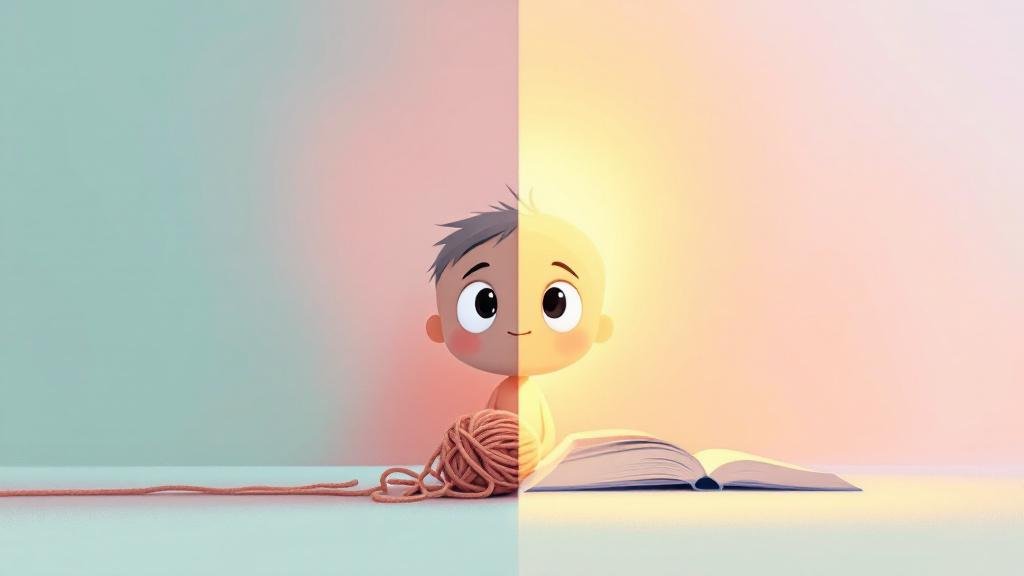
Have you ever tried to break bad habits and promised yourself, ‘This time will be different,’ only to fall back into the same habit days later? Maybe it’s procrastination, negative thinking, mindless scrolling, or patterns you know don’t support the life you want. When this happens, it’s easy to feel frustrated—or worse, disappointed in yourself.
For a long time, I believed breaking bad habits required stronger willpower. I thought if I just tried harder, I’d finally change. Yet the harder I pushed, the more stuck I felt. Eventually, I realized something gentler and far more effective: bad habits don’t disappear because you fight them. They change when you understand them—and replace them with something kinder.
If you want to break bad habits and replace them in a way that actually lasts, it starts with compassion, not control.
1. Understand that habits serve a purpose
Every habit exists for a reason. Even the ones you want to break.
Bad habits often:
- Reduce stress
- Provide comfort
- Create distraction
- Offer a sense of control
Before trying to eliminate a habit, ask yourself, “What is this habit giving me?”
When you understand its purpose, you stop treating it like an enemy. And when judgment fades, change becomes easier.
2. Stop trying to erase habits—replace them instead
Your brain doesn’t like empty space. When you remove a habit without replacement, it looks for another way to meet the same need.
That’s why replacement matters.
For example:
- Replace scrolling with stretching or journaling
- Replace late-night snacking with tea or a calming ritual
- Replace self-criticism with balanced self-talk
When the new habit meets the same emotional need, your brain adapts more naturally.
3. Identify your habit triggers clearly
Habits don’t happen randomly. They follow patterns.
Pay attention to:
- Time of day
- Emotional state
- Environment
- People or situations
Instead of saying “I always do this,” ask, “When does this habit usually appear?”
Clarity gives you power. Once you see the trigger, you can intervene earlier—before the habit takes over.
4. Start with small, realistic changes
Big changes often fail because they overwhelm your nervous system. Sustainable habit change works best when it feels safe and manageable.
Choose:
- One habit at a time
- One small replacement action
- One clear moment to practice it
For example, instead of “I’ll never procrastinate again,” try “When I feel resistance, I’ll work for five minutes.” Small steps build trust. Trust builds consistency.
5. Create friction for bad habits
Make unwanted habits slightly harder to access.
You might:
- Keep your phone in another room
- Log out of distracting apps
- Change your environment
- Remove visual cues
Friction doesn’t rely on willpower. It supports your intentions automatically. And that support reduces burnout and decision fatigue.
6. Make new habits easy and rewarding
While bad habits need friction, good habits need ease.
Ask yourself:
- How can I make this habit simpler?
- How can I attach it to something I already do?
- How can I reward myself afterward?
When new habits feel enjoyable or satisfying, your brain associates them with safety and pleasure. Over time, they replace old patterns naturally.
7. Expect discomfort—and don’t panic
Breaking habits feels uncomfortable because your brain prefers familiarity. That discomfort doesn’t mean you’re failing. It means change is happening.
When discomfort appears:
- Pause
- Breathe
- Remind yourself it will pass
Instead of escaping the feeling, stay with it briefly. Each time you do, you build emotional resilience—and that resilience weakens old habits.
Discomfort is part of change.
How you speak to yourself during that discomfort determines whether the habit loosens—or tightens.
8. Track effort, not perfection
Habit change isn’t linear. Some days will feel easy. Others won’t. What matters is consistency, not perfection.
Track:
- How often you notice the habit
- How often you choose the replacement
- How you respond after setbacks
Each moment of awareness counts. Each attempt strengthens new neural pathways—even if the habit returns sometimes.
9. Be kind to yourself when you slip
Slipping doesn’t erase progress. However, self-criticism often restarts the habit cycle.
When setbacks happen, say:
- “This is part of learning.”
- “I can return to my intention.”
- “One moment doesn’t define me.”
Self-kindness keeps you engaged. Shame pushes you away. Choose the voice that helps you continue.
10. Align habits with the person you’re becoming
The most powerful habit changes happen when you connect them to identity.
Instead of asking, “How do I stop this habit?” ask:
- “Who do I want to become?”
- “What habits support that version of me?”
When habits align with identity, they feel meaningful. And meaningful habits last longer than forced ones.
11. Breaking bad habits is an act of self-trust
You don’t break bad habits by becoming stricter with yourself; the ability to break bad habits comes from becoming more honest, aware, and supportive. You break them by becoming more honest, aware, and supportive.
Every habit you replace teaches your brain something important: you are safe to change. And the more safety you create internally, the easier change becomes.
You don’t need to be perfect.
You don’t need to rush.
You only need to keep choosing again.
Because habit change isn’t about becoming someone new. It’s about returning to who you are—one intentional choice at a time.
🌱 Turn Growth into Lifestyle
Growth doesn’t stop at the mind — it flows into how you live, learn, and make choices every day.
Explore more from KnowlyDaily:
- Healthy Lifestyle Tips – Strengthen body and balance energy.
- Productivity – Stay focused, organized, and calm under pressure.
- Smart Money – Practice mindful spending and confident saving.
- Learning & Skills – Keep your growth structured and sustainable.
- Travel & Global Life – Find perspective and joy through travel.
Our Partners
Sometimes, the best reminder to stay calm and confident is something you wear every day.
💡 Explore EveryMoodTee — minimalist T-shirts that speak your mood before you say a word.