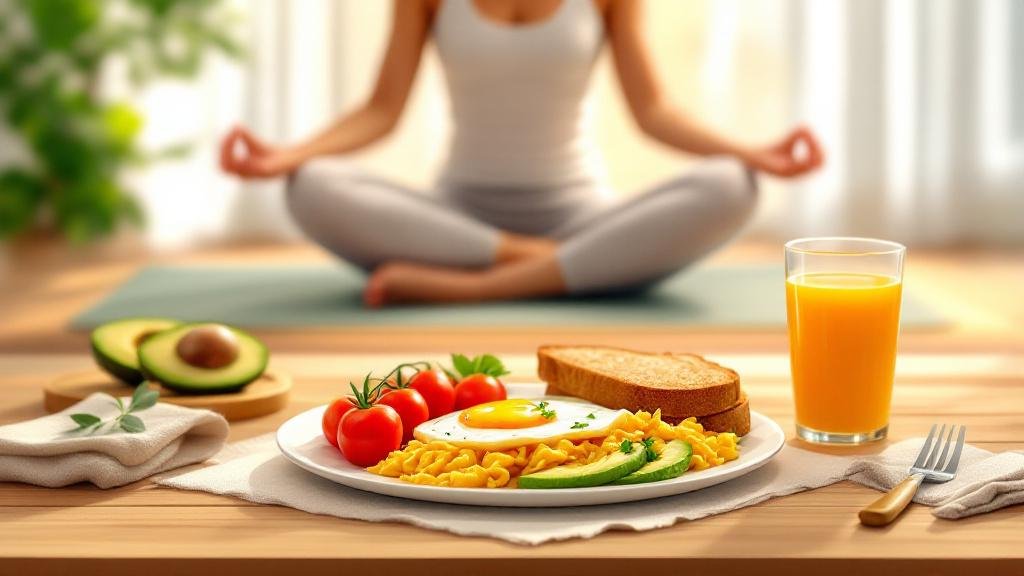
Most people start healthy habits with good intentions—then watch them quietly fade as life gets busy. If that sounds familiar, you’re not failing. You’re human. That’s why learning how to build healthy habits in a sustainable way matters far more than relying on motivation alone.
Building habits isn’t about discipline or willpower alone. Instead, it’s about creating systems that support you, even on low-energy days. Once you understand how habits actually form, sticking to them becomes much easier—and far less stressful.
Let’s walk through simple, realistic ways to build healthy habits that fit into real life.
1. Start Smaller Than You Think When You Build Healthy Habits
One of the biggest reasons habits fail is starting too big. While enthusiasm feels great at the beginning, it often leads to unrealistic expectations.
Instead of aiming high right away, focus on actions that feel almost too easy.
Examples:
- Walk for 5 minutes, not 45
- Drink one glass of water, not a full bottle
- Stretch for 2 minutes, not a full routine
Because small habits require less effort, they’re easier to repeat daily. Over time, consistency matters far more than intensity.
Real-life example:
Someone who commits to five minutes of movement daily often ends up moving longer naturally, without pressure.
2. Attach New Habits to Routines You Already Have
Healthy habits stick better when they connect to existing routines. This approach removes the need to remember something new.
Try habit stacking:
- Stretch after brushing your teeth
- Drink water after waking up
- Take a short walk after dinner
- Practice deep breathing before sleep
Since the trigger already exists, your brain learns the new habit faster.
Why it works:
Your brain loves patterns. When one action follows another consistently, it becomes automatic.
3. Focus on Identity, Not Just Outcomes
Instead of only chasing results, shift your focus to who you’re becoming.
Rather than saying:
- “I want to exercise more”
Try:
- “I’m someone who moves daily”
This identity-based approach helps habits feel meaningful. As a result, actions align naturally with how you see yourself.
Helpful mindset shift:
Each small action becomes a vote for the kind of person you want to be.
4. Make Healthy Habits Easy to Start and Hard to Skip
Your environment plays a huge role in habit success. If a habit feels inconvenient, resistance grows quickly.
To support consistency:
- Keep workout clothes visible
- Place healthy snacks within reach
- Leave your water bottle on your desk
- Set reminders where you’ll see them
When habits feel easy to start, you’re more likely to follow through—even on busy days.
Real-life example:
People often drink more water simply because the bottle stays nearby all day.
5. Plan for Low-Motivation Days
Motivation naturally rises and falls. Therefore, successful habits don’t rely on feeling inspired.
Create a “minimum version” of each habit:
- Too tired to exercise? Stretch for 1 minute
- Too busy to cook? Choose a simple meal
- Too stressed to journal? Write one sentence
These backup plans keep the habit alive. Most importantly, they prevent the “all-or-nothing” mindset.
6. Track Progress in a Gentle Way
Tracking can be motivating, yet it shouldn’t feel like pressure. Simple tracking works because it shows progress without turning habits into performance.
Easy tracking ideas:
- Checkmarks on a calendar
- Habit tracking apps
- Weekly reflection notes
Because visual progress feels rewarding, consistency becomes more satisfying.
Helpful reminder:
Missing one day doesn’t break a habit. Giving up does.
7. Use Rewards That Support Your Goal
Positive reinforcement strengthens habits. However, rewards should support—not sabotage—your progress.
Examples of supportive rewards:
- Watching a favorite show after a walk
- Enjoying a relaxing bath after a productive day
- Taking a rest day intentionally
These rewards make habits feel enjoyable instead of forced.
8. Expect Setbacks—and Normalize Them
No habit journey is perfect. Life events, stress, illness, and schedule changes happen.
Instead of asking, “Why did I fail?”
Try asking, “How can I restart gently?”
Helpful rule:
Never miss twice in a row.
This mindset keeps habits flexible and sustainable long-term.
9. Build One Healthy Habit at a Time
Even small habits can fail when you try to build too many at the same time. Although it feels productive, it overwhelms your system.
Start with one habit:
- Focus on sleep first
- Or hydration
- Or daily movement
Once that habit feels stable, add another. This layered approach builds lasting change.
10. Redefine Success When You Build Healthy Habits
Success isn’t perfection. It’s showing up more often than not.
Signs your habit is working:
- It feels easier over time
- You think about it less
- It fits naturally into your day
- You recover faster after setbacks
When habits feel supportive, they’re more likely to stay.
A Simple Weekly Habit-Building Framework
Here’s a realistic structure to build healthy habits without pressure:
- Week 1: Choose one habit + define the smallest action
- Week 2: Attach it to an existing routine
- Week 3: Add gentle tracking
- Week 4: Reflect and adjust
This process builds momentum without overwhelm.
Final Thoughts : Healthy Habits Are Built, Not Forced
Building healthy habits isn’t about changing your entire life overnight. It’s about making small, consistent choices that support your well-being over time. When habits feel manageable, flexible, and aligned with your identity, they naturally stick.
Start small. Be patient. Adjust when needed. With consistency and compassion, healthy habits become part of who you are—not something you have to force.
🌼 Grow Beyond Health
A healthy body supports a healthy mind — and a mindful life leads to growth in every area.
Explore more from KnowlyDaily :
- Self-Growth & Mindset – Build inner calm and emotional clarity.
- Productivity – Learn to work smarter, not harder.
- Smart Money – Spend wisely and live stress-free.
- Learning & Skills – Learn new things with structure and flow.
- Travel & Global Life – Discover how the world teaches balance.
Our Partners
Sometimes, the best reminder to stay calm and confident is something you wear every day.
💡 Explore EveryMoodTee — minimalist T-shirts that speak your mood before you say a word.